
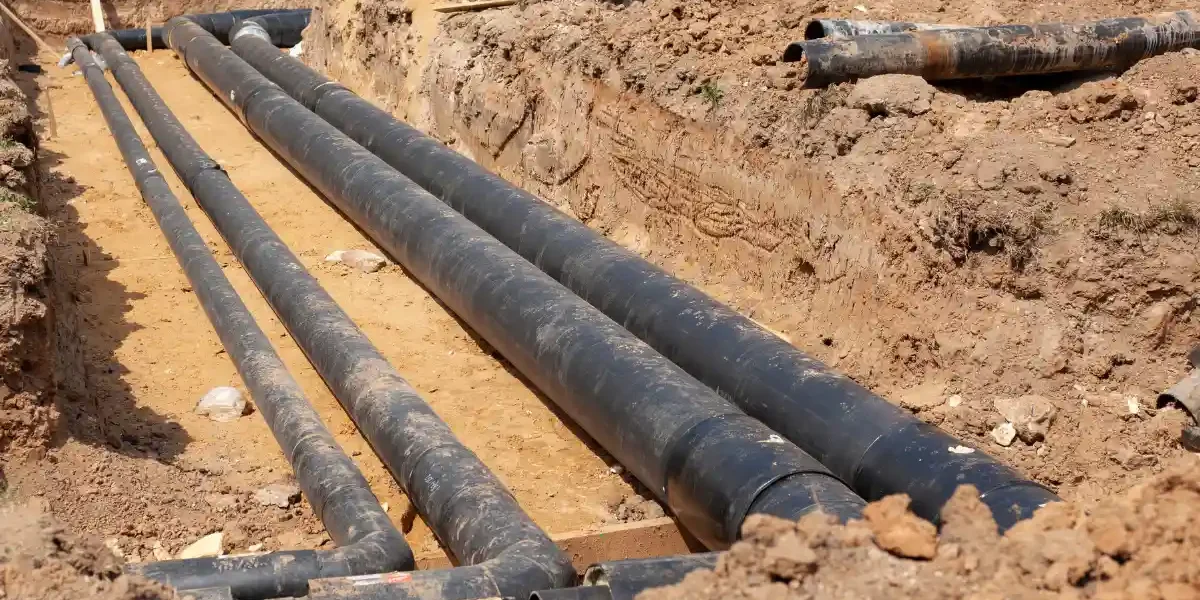
Many water, sewer, gas, and electrical networks installed in Ontario between the 1950s and 1980s have undergone partial replacements, emergency repairs, and undocumented rerouting.
As a result, existing records often show original alignments rather than current conditions. Recent municipal road and utility projects across Ontario have exposed this gap.
Contractors encountered unrecorded water mains and abandoned services during planned excavations. These cause emergency shutdowns and unplanned redesigns, which not only delay projects but also massively affect the daily lives of the locals.
From a professional standpoint, routine surveys should be treated as preventive infrastructure management. They support project teams to complete work confidently and accurately and minimise the risk factor.
What is a Utility Survey?
A utility survey is a professional process used to identify, map, and document underground infrastructure within a defined site area. It focuses on locating water, sanitary, storm, gas, electrical, and telecommunications services using a combination of field detection technologies, verified measurements, and professional interpretation. The collected data is then mapped and integrated into design ready drawings or digital models.
For aging infrastructure, this distinction is critical as Utility records frequently reflect original installation details, not amendments. The survey establishes current subsurface conditions through direct field verification. It replaces assumptions with measured locations and identified conflicts.
Technologies Used in Professional Utility Surveys
At Avant Garde Geomatics, we rely on layered detection methods to account for material variations, installation period, and modification history. Here are three technologies commonly used for utility surveys:
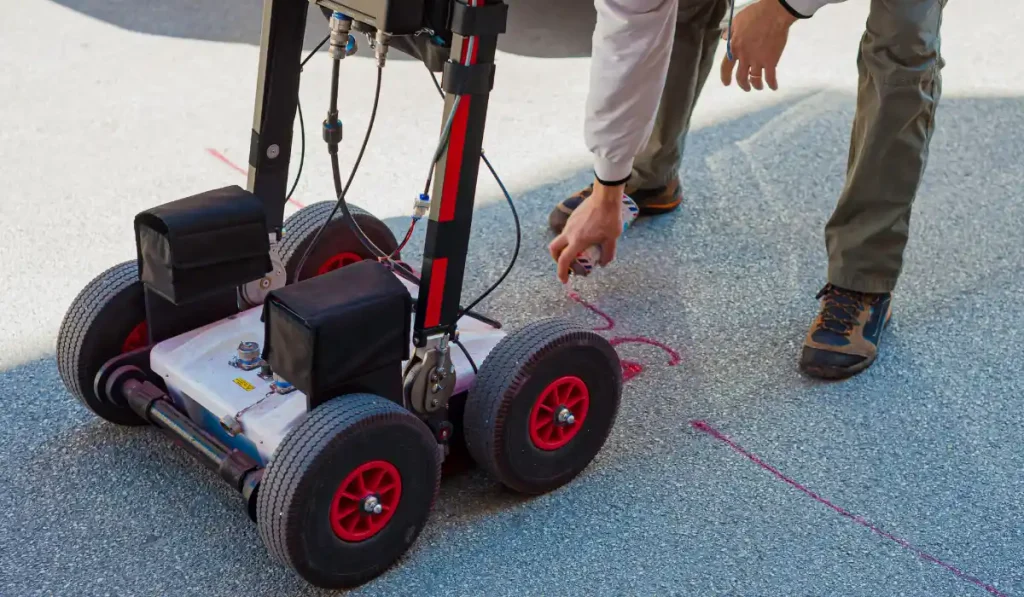
1. Ground Penetrating Radar GPR
GPR uses high frequency electromagnetic waves to detect changes in subsurface materials. It can identify voids, buried structures, and non conductive utilities such as PVC water mains, clay pipes, concrete encasements, and abandoned lines. Since signal performance depends on soil composition, moisture levels, and surface conditions, experienced interpretation is required.
2. Electromagnetic Locators
Electromagnetic locators detect conductive utilities by tracing active, passive, or induced signals. They are effective for locating metallic water and gas mains, energized electrical cables, and telecommunication lines and mainly used to confirm utility paths over longer distances.
3. Data Correlation and Validation
Surveyors correlate detected signals with surface features, record information, and signal behavior to confirm utility type and status. This process is designed to reduce false positives and ensure mapped utilities represent verifiable subsurface conditions rather than isolated detections.
When Are Routine Utility Surveys Essential?
Routine utility surveys are recommended whenever projects interact with existing underground infrastructure, a logic that applies to most developed sites in Ontario.
They are essential for:
- Road reconstruction and corridor upgrades
- Municipal water, sewer, and storm system replacements
- Site redevelopment and building expansions
- Utility relocations or capacity upgrades
- Excavation near transmission mains, trunk sewers, or high voltage services
- Projects that involve increased excavation depth or constrained work zones
From a professional standpoint, early utility surveying reduces redesigns, field delays, and safety exposure, which makes it a baseline requirement for aging infrastructure.
Trusted Utility Surveyor in Kingston and Sudbury
Avant Garde Geomatics has worked extensively in Kingston and Sudbury and has an in-depth understanding of how local infrastructure has evolved over time. We apply this knowledge directly to survey planning, interpretation, and documentation, combining advanced technology, data driven methodologies, and industry experience to deliver precise, reliable solutions aligned with each project’s requirements.
Municipal infrastructure, transportation and road development, commercial and industrial construction, utility providers, and large scale redevelopment projects benefit most from professional utility surveys.
Our team of licensed professionals understands the complexities each project presents and delivers accurate, reliable reports that support informed decision making.
Book a consultation call today.